
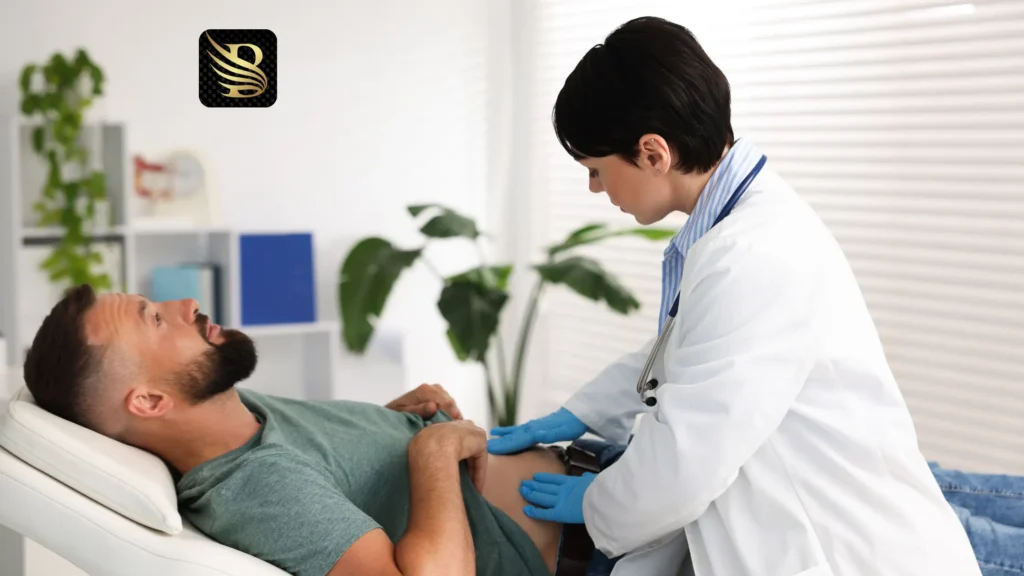
If you’re searching for pain management clinics in Las Vegas, that first appointment can feel like a big unknown. This guide walks you through the check-in process, evaluation, common tests and procedures, referral & insurance basics, plus a prep checklist—so you show up confident and informed.
What actually happens at your first pain management appointment?
While each practice has its own flow, new-patient visits typically include:
Check-in & paperwork — ID, insurance, medical history, prior treatments, and pain questionnaires. Clinics use this to understand your symptoms and function.
Comprehensive history & physical exam — Your specialist reviews prior X-rays, MRI, or CT (bring discs/reports), examines painful areas, and maps out next steps.
Care plan discussion — Expect a conversation about goals, options (conservative and interventional), and follow-ups. Large centers outline evaluation → plan → progress checks.
If a procedure is scheduled, Many clinics ask you to avoid food for ~6 hours before the procedure; clear liquids are often allowed up to 2 hours prior (varies by clinic).
Will there be a urine drug screen?
It’s common in pain programs, especially when controlled medicines are discussed. Policies vary, but medical guidance and payer policies note routine urine drug testing in pain management to keep care safe.
Nevada-specific note on opioid safety
Under Nevada law (AB 474), prescribers must review the PDMP (prescription monitoring program) before issuing an initial controlled-substance Rx and at least every 90 days during extended treatment. Expect your provider to follow these checks.
Common conditions Las Vegas pain clinics treat
- Chronic back and neck pain, sciatica, herniated discs
- Arthritic joint pain (knee, hip, shoulder)
- Nerve pain (neuropathy, radiculopathy), complex regional pain
- Post-surgical or orthopedic injuries (in coordination with spine & orthopedic teams)
Clinics increasingly use multidisciplinary care—physicians (anesthesiology, PM&R, neurology), physical therapy, and behavioral health—to improve function and quality of life.
You can also read: Las Vegas Pain Management Clinics
Tests & treatments you might hear about
Conservative & rehabilitative care
- Targeted physical therapy and home exercise progressions
- Non-opioid medications (as appropriate)
- Behavioral pain strategies to improve sleep, stress, and pacing for daily activities
Image-guided interventional procedures
- Epidural steroid injections (ESI) – places anti-inflammatory medication near irritated spinal nerves to reduce arm/leg or back pain.
- Medial branch blocks & radiofrequency ablation (RFA) – blocks or quiets small pain-carrying nerves from facet joints; RFA can give longer relief when blocks help.
- Joint injections, nerve blocks, trigger-point injections – targeted options depending on diagnosis.
Your provider will align options to your diagnosis and response to earlier treatments; not every therapy fits every patient. Care pathways and recommendations are determined by your provider after an in-person medical assessment. In most cases, expect discussion of non-opioid and interventional options first.
How to prepare (and bring) for a Las Vegas pain clinic visit
- Photo ID, insurance card, referral (if your plan needs it)
- Medication list (dose/frequency), allergies, and prior pain treatments tried
- All relevant records: surgery notes, imaging reports/discs (X-ray/MRI/CT), prior injections, EMG/NCS, lab results
- Your questions & goals (what activities you want back)
Major clinics recommend bringing records and a current med list to speed decisions.
Do you need a referral in Las Vegas?
It depends on your insurance plan:
- Some HMO plans limit specialist visits per referral; you may need a new referral after a set number of visits.
- Other plans (including some Medicaid options) don’t require referrals for specialists—but prior authorization for certain procedures might still apply.
Many local clinics accept both referred and self-referred patients; check your plan’s rules first to avoid surprise costs.
Choosing the right pain management clinic in Las Vegas
Consider these green flags:
- Board-certified pain specialists (anesthesiology, PM&R, neurology)
- Imaging-guided procedures (fluoroscopy/ultrasound) and a multimodal approach
- Transparent pre-procedure instructions and follow-up plans
- Willingness to coordinate with orthopedic/spine teams when needed
New-patient visit checklist (print-friendly)
- Government ID, insurance card, referral if required
- List of meds/supplements (name, dose, schedule)
- Prior imaging & reports (bring the CD if you have it)
- Summary of past treatments (PT dates, injections, surgeries)
- Questions & goals (what activities you want to return to)
- Confirm fasting/driver requirements if a procedure is planned
Related searches people make (useful for internal links)
- Back and spine orthopedic care in Las Vegas
- Nerve damage treatment Las Vegas
- Spine surgery consultation Las Vegas
- Knee/shoulder pain doctor Las Vegas
- Joint specialist Las Vegas NV
FAQs
Not always. Clinics follow safety steps (PDMP review, risk assessment, and sometimes drug screening). Care pathways and recommendations are determined by your provider after an in-person medical assessment. In most cases, expect discussion of non-opioid and interventional options first.
Timing depends on diagnosis, imaging, and payer authorization. Some straightforward cases move quickly; others need additional workup.
Bring any prior reports. If needed, your specialist may order updated imaging before interventional procedures.
For office consults, usually yes. For procedures with sedation, follow fasting guidelines from your clinic.